AI can help your job application - but it can't get you the job
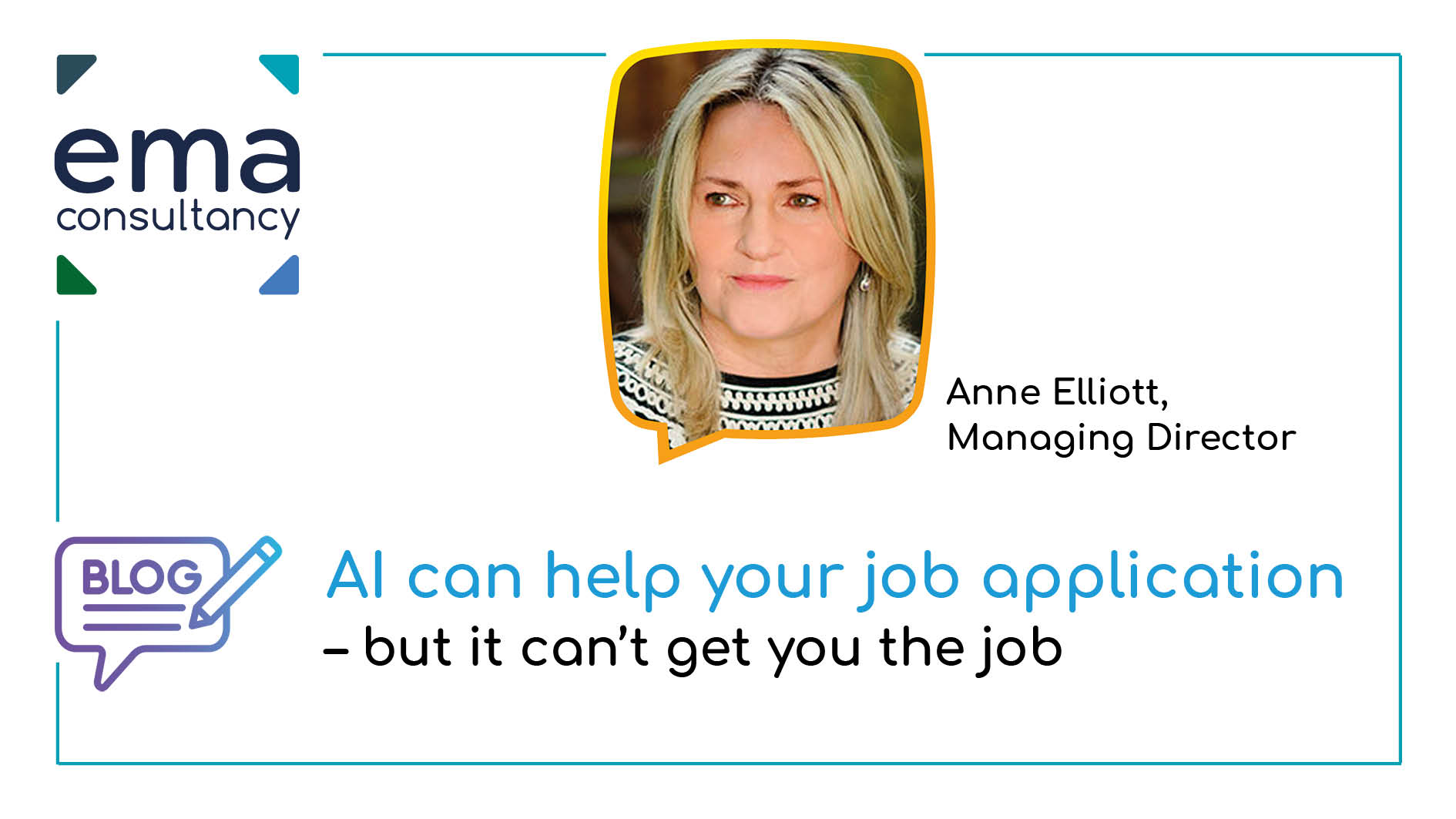
Like many recruiters, I’ve been following the growing debate around artificial intelligence and job applications with interest.
Hardly a week goes by without another article warning that AI is changing recruitment, writes Anne Elliott is Managing Director of ema consultancy. Some suggest candidates are using it to gain an unfair advantage. Others argue employers are increasingly relying on technology to sift applications before a human ever sees them.
The reality, as is often the case, sits somewhere in the middle.
At ema consultancy, we are seeing increasing numbers of candidates using AI to support applications. In recruitment campaigns, we typically receive more than 100 applications, many of which were exceptionally well presented. The challenge for recruiters is no longer finding polished applications. It is identifying the people behind them.
Using AI tools to support their CVs, applications and covering letters is not necessarily a bad thing. Used well, AI can help people structure their thoughts, improve grammar and present their experience more clearly.
The problem arises when candidates allow AI to do all the work.
One of the biggest risks is that applications start to sound the same. We’ve become familiar with generic phrases, polished but impersonal language and achievements that sound impressive but lack substance. The irony is that the more people rely on AI to stand out, the more similar applications can become.
So what should candidates do?
- Use AI as an editor, not an author.
A good CV should still reflect your experience, achievements and general approach to work. AI can help improve the presentation, but it shouldn’t be creating a version of you that doesn’t exist. Recruiters are looking for authenticity and that becomes particularly important when you reach interview stage.
- Pay attention to the language used in the advert.
Many employers use applicant tracking systems to help manage applications. That means it makes sense to reflect the language used in the job description, particularly when describing your skills and experience. However, there is a difference between demonstrating your suitability and simply stuffing a CV with keywords.
- Be specific.
Rather than saying you “improved performance” or “led projects”, explain what you achieved. Did you reduce costs? Improve customer satisfaction? Lead a team through change? Numbers and measurable outcomes are often far more powerful than generic statements.
This principle certainly applies in social housing. If you’ve improved tenant satisfaction, reduced void turnaround times, delivered a development programme or led a successful regulatory inspection, say so. Real examples help recruiters understand the impact you’ve made.
- Keep it simple
Keep your CV straightforward and easy to read. Simple layouts, clear section headings and professional fonts are usually the safest approach. Overly designed CVs, image & icons, graphics and complex formatting can sometimes cause problems when applications are processed through recruitment systems.
And some common mistakes candidates should avoid
-Don’t ask AI to write your entire CV and submit the first version it produces. We’re becoming increasingly skilled at spotting applications that have been heavily generated by technology.
– Don’t try to trick recruitment systems by hiding keywords or using clever formatting techniques. They rarely work and can damage your credibility.
– Don’t apply for every role you see simply because AI has made it easier to produce applications quickly. A smaller number of well-targeted applications will almost always be more effective than a large number of generic ones.
Authenticity wins the day
In every ema consultancy recruitment campaign, every application is reviewed by a person rather than an AI tool.
What always stands out isn’t who has produced the most polished application. It is who can clearly demonstrate their experience, judgement, values and potential contribution to the organisation.
And it is important to remember that AI might help you get your application noticed, but if you’re invited to interview, it’s your experience, judgement and personality that will secure the job. The technology stays outside the interview room.